
Step 1: First tiny taste
Offer a small taste of mashed or finely cut soft pineapple. Watch for concerning symptoms during and after the feed.
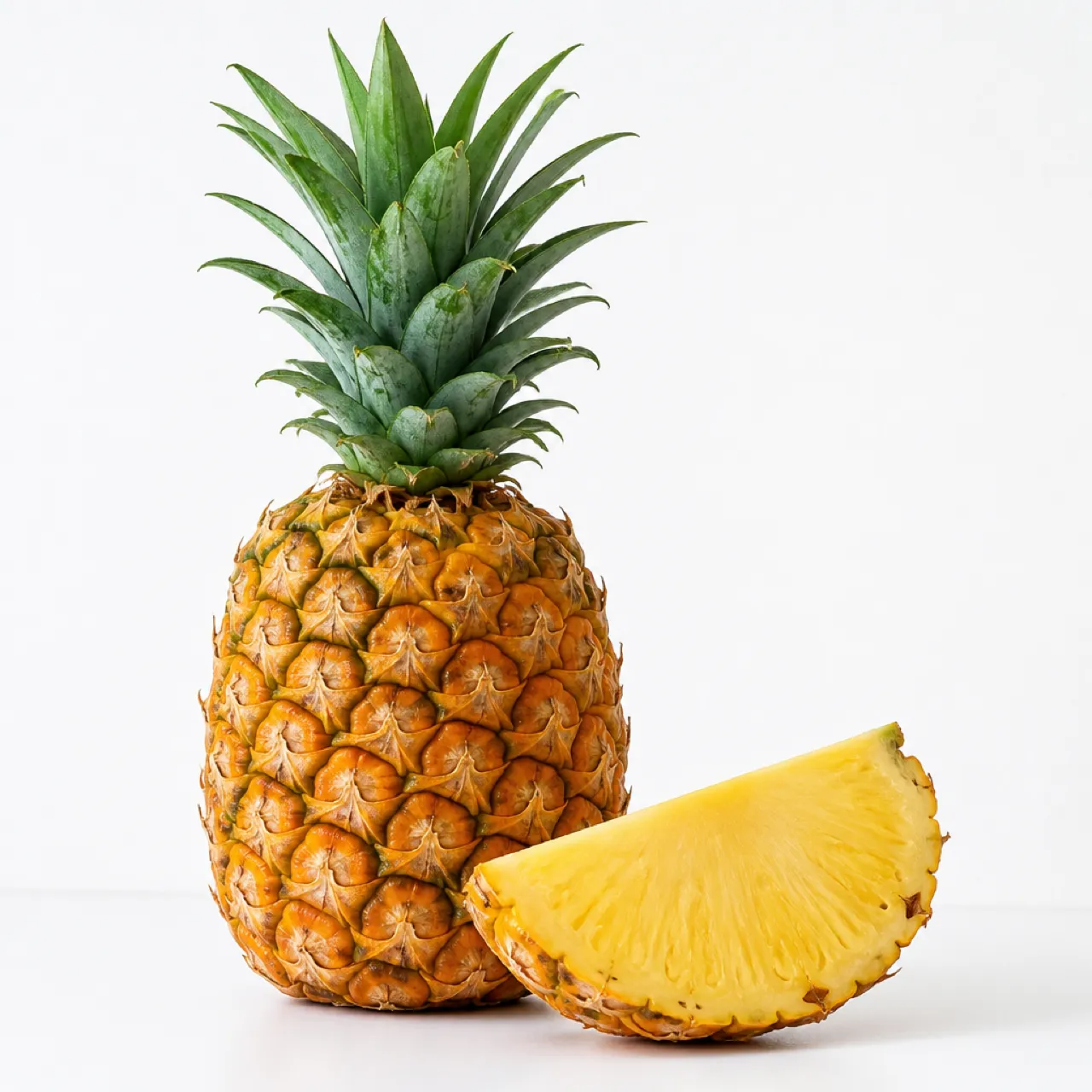
Pineapple is a typical complementary fruit around 6 months when your baby shows readiness for solids. Offer it as a single new food.
Use ripe pineapple. Remove the tough core and peel. Mash or puree the fruit for early textures, or cut soft pieces small enough for your baby’s skills. Do not offer large fibrous chunks. Always supervise eating.
Offer a small taste of mashed or finely cut soft pineapple. Watch for concerning symptoms during and after the feed.
If tolerated, offer more of the same preparation at a later feed.
Serve this food regularly in age-safe textures.
Complementary foods are typically introduced around 6 months of age, when the baby shows developmental readiness (for example, sitting with support, good head control, and swallowing food rather than pushing it out). Introducing solids before 4 months is not recommended.
For most children, there is no required order for first foods. Fruits, vegetables, meats and other proteins, and other food groups can all be part of complementary feeding around 6 months.
Use ripe pineapple. Remove the tough core and peel, then mash or puree for early textures, or cut soft pieces suited to your baby’s chewing and swallowing skills. Do not offer large fibrous chunks. Always supervise eating.
Children younger than 12 months should not drink fruit or vegetable juice. Whole fruit is a healthier option than juice. After 12 months, juice is still unnecessary; if offered, AAP recommends no more than 4 ounces a day of 100% juice for ages 1 through 3 years.