
Step 1: First tiny taste
Offer a small taste of smooth spoonable iron-fortified infant cereal. Watch for concerning symptoms such as hives, swelling, vomiting, or breathing trouble, and seek urgent care if those occur.
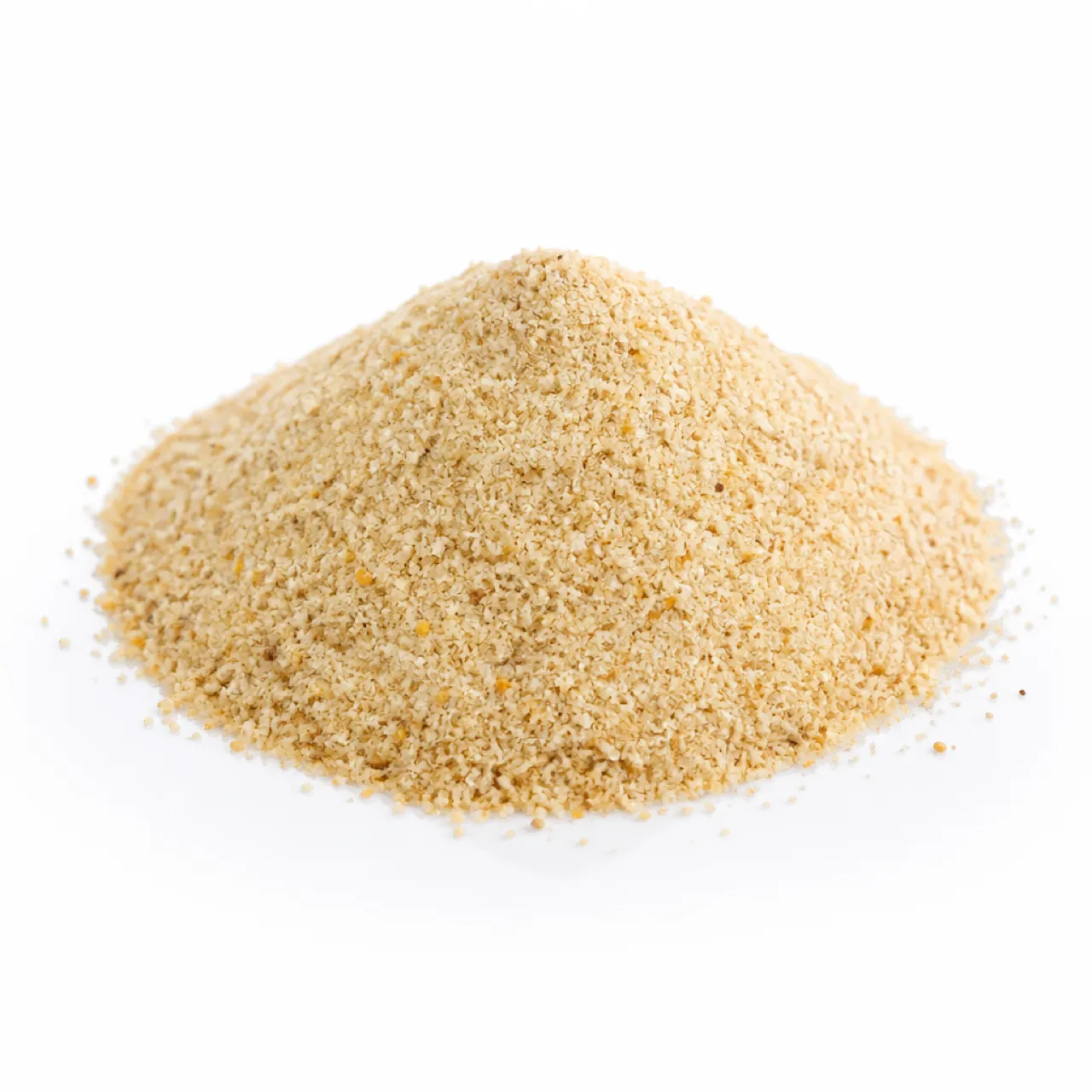
Iron-fortified infant cereal is often a mixed-grain food that includes wheat and is a priority allergen (gluten-containing cereal). Wheat can be introduced with other complementary foods around 6 months. Offer mixed, spoonable infant cereal as a single new food. If your baby has severe eczema or a prior immediate food allergy, talk with a clinician before introducing highly allergenic foods.
Mix dry iron-fortified infant cereal with breast milk, formula, or water until smooth and easy to swallow from a spoon. Do not put cereal in a bottle. Always supervise eating.
Offer a small taste of smooth spoonable iron-fortified infant cereal. Watch for concerning symptoms such as hives, swelling, vomiting, or breathing trouble, and seek urgent care if those occur.
If the first taste was tolerated, gradually offer a larger amount of the same preparation at a later feed.
If tolerated, keep this food in the diet routinely as part of complementary feeding.
Complementary foods are typically introduced around 6 months of age, when the baby shows developmental readiness (for example, sitting with support, good head control, and swallowing food rather than pushing it out). Introducing solids before 4 months is not recommended.
Once your baby is ready for solid foods (typically around 6 months), iron-fortified infant cereals can be part of complementary feeding. Offer a variety of fortified infant cereals such as oat, barley, and multigrain instead of only rice cereal. Mixed cereals that include wheat can be introduced with other complementary foods.
Mix dry cereal with breast milk, formula, or water until smooth and easy to swallow from a spoon. Do not put cereal in a bottle. Always supervise eating.
Iron-fortified infant cereal provides non-heme (plant) iron, which is less easily absorbed than iron from meat. Pairing non-heme iron foods with vitamin C–rich foods, such as citrus fruit, berries, tomato, or broccoli, can help iron absorption. This is educational nutrition guidance, not a diagnosis or a supplement plan.
If your baby has severe, persistent eczema or had an immediate allergic reaction to a food — especially a highly allergenic food — talk with your child’s pediatrician about how and when to introduce highly allergenic complementary foods such as mixed infant cereal and other wheat foods.