
Step 1: First tiny taste
Offer a small taste of pasteurized plain kefir. Watch for concerning symptoms such as hives, swelling, vomiting, or breathing trouble, and seek urgent care if those occur.
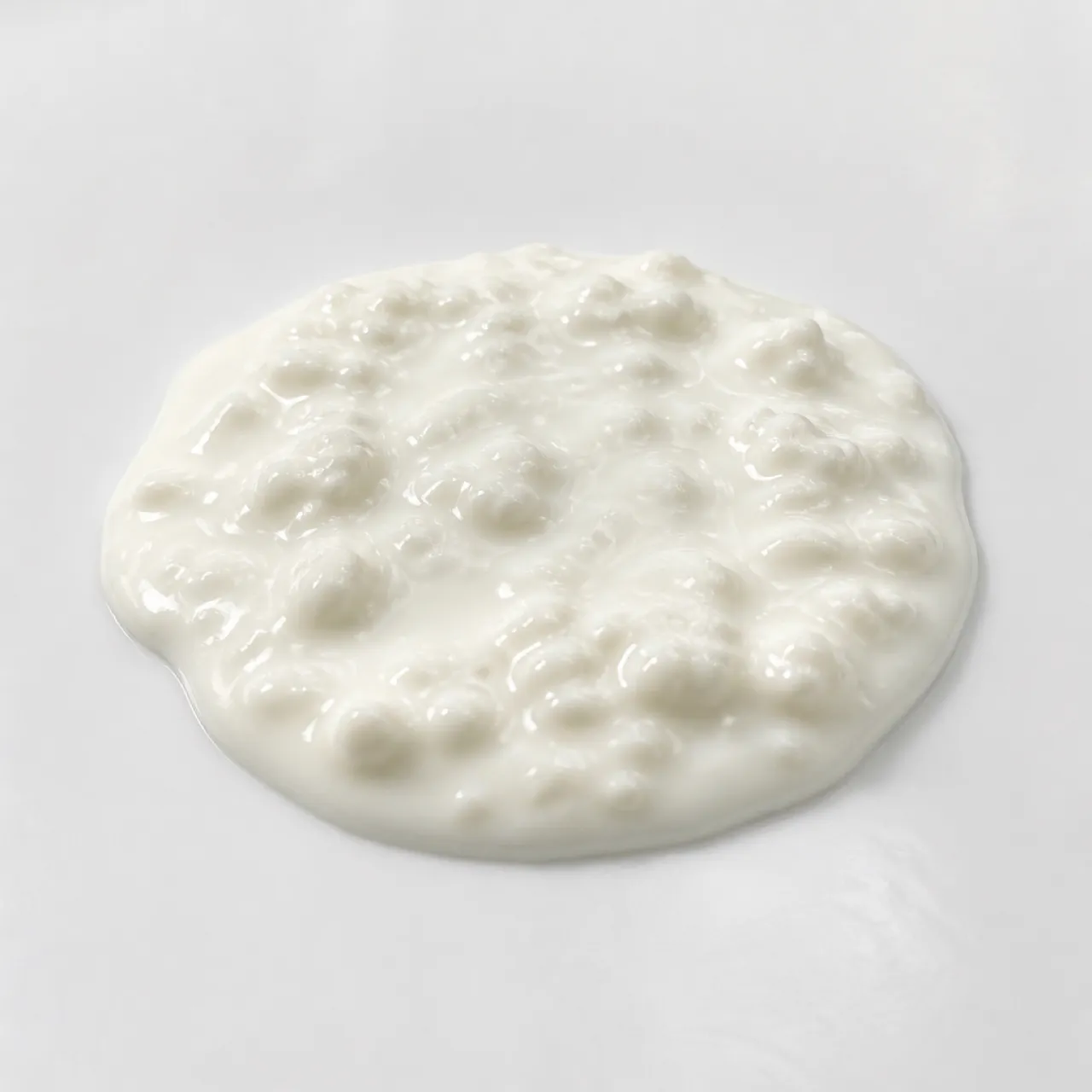
Kefir is a cow’s-milk product and a priority allergen (milk). Dairy foods without added sugars, such as yogurt, can be part of complementary feeding around 6 months. Drinking cow’s milk is not recommended until after 12 months. Offer pasteurized plain kefir as a single new food. If your baby has severe eczema or a prior immediate food allergy, talk with a clinician before introducing highly allergenic foods.
Use pasteurized plain kefir without added sugars. Offer it as a spooned complementary food, not as a bottle drink that replaces breast milk or infant formula. Do not offer unpasteurized kefir. Always supervise eating.
Offer a small taste of pasteurized plain kefir. Watch for concerning symptoms such as hives, swelling, vomiting, or breathing trouble, and seek urgent care if those occur.
If the first taste was tolerated, gradually offer a larger amount of the same kefir at a later feed.
If tolerated, keep plain kefir in the diet routinely as part of complementary feeding.
Complementary foods are typically introduced around 6 months of age, when the baby shows developmental readiness (for example, sitting with support, good head control, and swallowing food rather than pushing it out). Introducing solids before 4 months is not recommended.
Yes. Other cow’s milk products such as yogurt without added sugars can be introduced before 12 months as complementary foods. Drinking cow’s milk is not recommended until after 12 months because it does not have the right mix of nutrients for younger infants and can be hard on the kidneys.
Choose pasteurized kefir without added sugars. Do not give unpasteurized kefir. Flavored kefirs often contain added sugars, which infants should not have.
If your baby has severe, persistent eczema or had an immediate allergic reaction to a food — especially a highly allergenic food — talk with your child’s pediatrician about how and when to introduce highly allergenic complementary foods such as kefir and other dairy.