
Step 1: Tip-of-spoon taste
Give a tiny amount of the prepared peanut food on the tip of a spoon. Wait about 10 minutes and watch for signs of an allergic reaction before continuing.
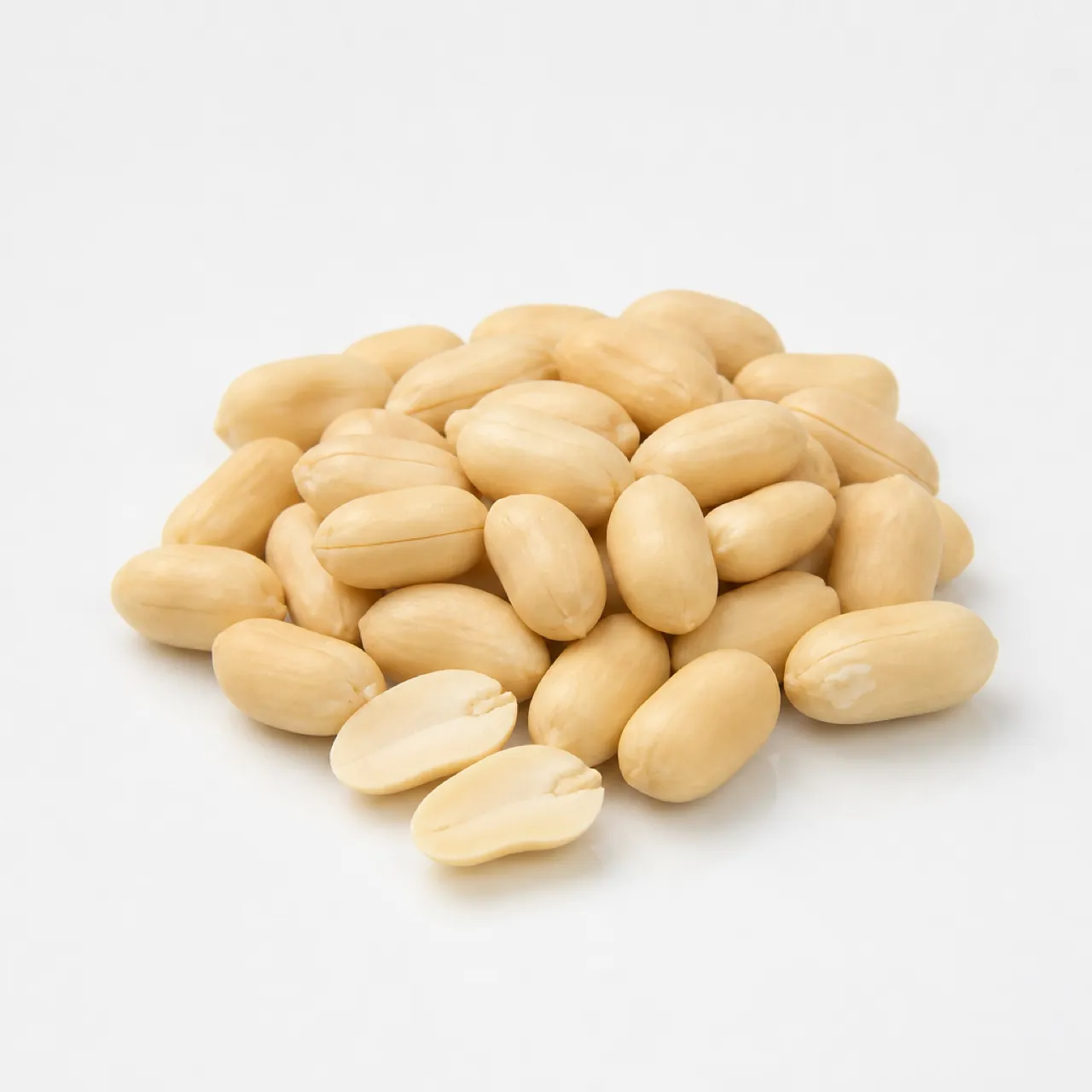
Peanut is a priority allergen. For most babies, infant-safe peanut can be introduced with other complementary foods around 6 months (and as early as about 4–6 months when developmentally ready). Never give whole peanuts. If your baby has severe eczema and/or egg allergy, talk with a clinician before the first peanut offer.
Use only infant-safe forms: smooth peanut butter thinned with water, breast milk, formula, or a tolerated puree; peanut powder mixed into puree; or peanut puffs softened with water for younger infants. Never offer whole peanuts or thick sticky spoonfuls of undiluted peanut butter.
Give a tiny amount of the prepared peanut food on the tip of a spoon. Wait about 10 minutes and watch for signs of an allergic reaction before continuing.
If there is no reaction, gradually offer the rest of an infant-safe serving (about 2 g of peanut protein — for example, 2 teaspoons of smooth peanut butter thinned as above, or an equivalent softened peanut-puff serving).
If tolerated, continue offering infant-safe peanut regularly, about 2 to 3 times per week. This is educational guidance — follow your clinician’s advice for high-risk infants.
For most babies, infant-safe peanut foods can be introduced with other complementary foods once solids are started, typically around 6 months (and as early as about 4 to 6 months when developmentally ready). Delaying peanut after readiness does not prevent allergy.
Never feed whole peanuts to babies or young children — they are a choking hazard. Use infant-safe forms such as smooth peanut butter thinned in puree, breast milk, or formula. Avoid thick sticky spoonfuls of undiluted peanut butter.
Infants with severe eczema and/or egg allergy are considered higher risk for peanut allergy. Talk with your child’s doctor or nurse about when and how to safely introduce peanut-containing foods before the first offer.
If peanut is tolerated, keep offering infant-safe peanut regularly as part of a varied diet. Educational guidance often describes continued, routine servings rather than a one-time taste.