
Step 1: First tiny taste
Offer a small taste of well-cooked mashed rice mixed until smooth. Watch for concerning symptoms during and after the feed.
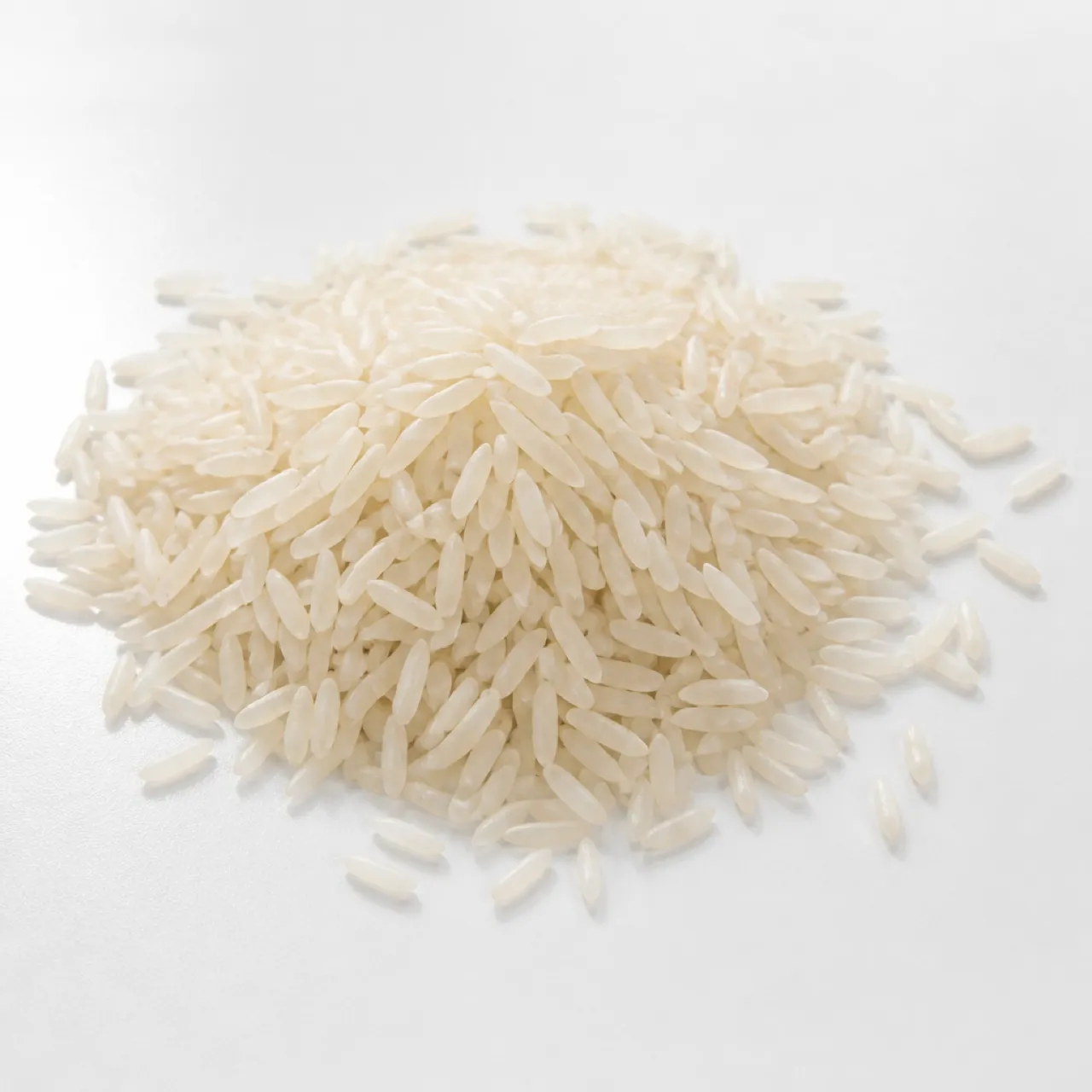
Rice is a typical complementary grain around 6 months when your baby shows readiness for solids. Whole grains such as infant cereals can be part of complementary feeding. Offer rice as a single new food If you use infant cereals, offer a variety of grains rather than only rice cereal.
Cook rice until very soft. Mash or finely grind the grains, and mix with breast milk, formula, or water until smooth and easy to swallow. Do not offer dry hard grains or sticky clumps that could cause choking. Do not put cereal in a bottle. Supervise every meal.
Offer a small taste of well-cooked mashed rice mixed until smooth. Watch for concerning symptoms during and after the feed.
If tolerated, offer more of the same preparation at a later feed.
Keep soft rice in complementary meals as desired, alongside a variety of other grains.
Complementary foods are typically introduced around 6 months of age, when the baby shows developmental readiness (for example, sitting with support, good head control, and swallowing food rather than pushing it out). Introducing solids before 4 months is not recommended.
Cook rice until very soft. Mash or finely grind the grains and mix with breast milk, formula, or water until smooth and easy to swallow. Do not put cereal in a bottle. Always supervise eating.
No. If your child is eating infant cereals, offer a variety of fortified infant cereals such as oat, barley, and multigrain instead of only rice cereal. Only providing infant rice cereal can increase your child’s exposure related to arsenic in rice cereal.